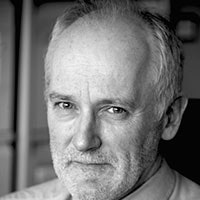
Professor Peter Halligan
FLSW CPsychol FMedSci CBE DSc FBPS
- Media commentator
Teams and roles for Peter Halligan
Honorary Professor
Overview
My research involves neuropsychology and neuropsychiatry conditions using evidence from a variety of cognitive neuroscience methods.
Much of my research involves attempts to understand how neuropsychological/psychiatric disturbances can be explained in terms of and inform pre-insult processing systems.
While clinically useful, traditional neurological and psychiatric nosology offer little prospect of explaining the psychological mechanisms without reference to normal psychological systems. My research has involved a broad range of informative acquired and developmental conditions spanning neuropsychology and neuropsychiatry conditions and using evidence from a variety of cognitive neuroscience methods.
Publication
2024
- Connors, M. H. and Halligan, P. W. 2024. Cotard Syndrome across time and place [Reply]. Cortex 181 , pp.308-310. (10.1016/j.cortex.2024.11.002)
- Connors, M. H. et al., 2024. Delusions in postpartum psychosis: implications for cognitive theories. Cortex 177 , pp.194-208. (10.1016/j.cortex.2024.04.018)
- Connors, M. H. et al., 2024. Hypnosis and suggestion as interventions for functional neurological disorder: A systematic review. General Hospital Psychiatry 86 , pp.92-102. (10.1016/j.genhosppsych.2023.12.006)
2022
- Connors, M. H. and Halligan, P. W. 2022. Revealing the cognitive neuroscience of belief. Frontiers in Behavioral Neuroscience 16 926742. (10.3389/fnbeh.2022.926742)
2021
- Russo, C. et al., 2021. Rivermead assessment of somatosensory performance: Italian normative data. Neurological Sciences 42 , pp.5149-5156. (10.1007/s10072-021-05210-5)
- Connors, M. H. and Halligan, P. W. 2021. Delusions and disorders of self-experience. The Lancet Psychiatry 8 (9), pp.740-741. (10.1016/S2215-0366(21)00244-3)
- Connors, M. H. and Halligan, P. W. 2021. Phenomenology, delusions, and belief. The Lancet Psychiatry 8 (4), pp.272-273. (10.1016/S2215-0366(21)00027-4)
- Halligan, P. W. and Oakley, D. A. 2021. Giving up on consciousness as the ghost in the machine. Frontiers in Psychology 12 571460. (10.3389/fpsyg.2021.571460)
- Oakley, D. A. et al., 2021. Direct verbal suggestibility: Measurement and significance. Consciousness and Cognition 89 103036. (10.1016/j.concog.2020.103036)
2015
- Bell, V. and Halligan, P. 2015. Schizotypy and impaired basic face recognition? Another non-confirmatory study. Early Intervention in Psychiatry 9 (6), pp.512-515. (10.1111/eip.12181)
- Walsh, E. et al., 2015. Are you suggesting that's my hand? The relation between hypnotic suggestibility and the rubber hand illusion. Perception 44 (6), pp.709-723. (10.1177/0301006615594266)
- Rode, G. et al., 2015. Effets sensori-moteurs et fonctionnels à long terme d'un traitement hebdomadaire par adaptation prismatique dans la négligence: un essai randomisé et contrôlé en double insu. Annals of Physical and Rehabilitation Medicine 58 (2), pp.e1-e15. (10.1016/j.rehab.2015.01.002)
- Rode, G. et al., 2015. Long-term sensorimotor and therapeutical effects of a mild regime of prism adaptation in spatial neglect. A double-blind RCT essay. Annals of Physical and Rehabilitation Medicine 58 (2), pp.40-53. (10.1016/j.rehab.2014.10.004)
- Walsh, E. et al., 2015. The functional anatomy and connectivity of thought insertion and alien control of movement. Cortex 64 , pp.380-393. (10.1016/j.cortex.2014.09.012)
- Connors, M. H. and Halligan, P. 2015. A cognitive account of belief: a tentative road map. Frontiers in Psychology 5 1588. (10.3389/fpsyg.2014.01588)
2014
- Bass, C. and Halligan, P. 2014. Factitious disorders and malingering: challenges for clinical assessment and management. The Lancet 383 (9926), pp.1422-1432. (10.1016/S0140-6736(13)62186-8)
- Connors, M. H. et al., 2014. Using hypnosis to disrupt face processing: mirrored-self misidentification delusion and different visual media. Frontiers in Human Neuroscience 8 361. (10.3389/fnhum.2014.00361)
- Connors, M. H. et al., 2014. Hypnotic analogues of delusions: the role of delusion proneness and schizotypy. Personality and Individual Differences 67 , pp.48-53.
- Deeley, Q. et al., 2014. Modelling psychiatric and cultural possession phenomena with suggestion and fMRI. Cortex 53 , pp.107-119. (10.1016/j.cortex.2014.01.004)
- Halligan, P. and Oakley, D. A. 2014. Hypnosis and beyond: exploring the broader domain of suggestion. Psychology of Consciousness: Theory, Research, and Practice 1 (2), pp.105-122. (10.1037/cns0000019)
- Walsh, E. et al., 2014. Using suggestion to model different types of automatic writing. Consciousness and Cognition 26 , pp.24-36. (10.1016/j.concog.2014.02.008)
2013
- Deeley, Q. et al., 2013. Using hypnotic suggestion to model loss of control and awareness of movements: an exploratory fMRI study. Plos One 8 (10) e78324. (10.1371/journal.pone.0078324)
- Deeley, Q. et al., 2013. The functional anatomy of suggested limb paralysis. Cortex 49 (2), pp.411-422. (10.1016/j.cortex.2012.09.016)
- Halligan, P. and Oakley, D. A. 2013. Hypnosis and cognitive neuroscience: Bridging the gap. Cortex 49 (2), pp.359-364. (10.1016/j.cortex.2012.12.002)
- Oakley, D. A. and Halligan, P. 2013. Hypnotic suggestion: opportunities for cognitive neuroscience. Nature Reviews Neuroscience 14 , pp.565-576. (10.1038/nrn3538)
2012
- Bell, V. and Halligan, P. 2012. The neural basis of abnormal personal belief. In: Krueger, F. and Grafman, J. eds. The Neural Basis of Human Belief Systems. Contemporary Topics in Cognitive Neuroscience Hove: Psychology Press
- David, A. S. and Halligan, P. 2012. Making an impact [Editorial]. Cognitive Neuropsychiatry 17 (5), pp.367-370. (10.1080/13546805.2012.715800)
- Deeley, Q. et al., 2012. Modulating the Default Mode Network Using Hypnosis. International Journal of Clinical and Experimental Hypnosis 60 (2), pp.206-228. (10.1080/00207144.2012.648070)
- Halligan, P. and Bartolomeo, P. 2012. Visual Neglect. In: Ramachandran, V. S. ed. Encyclopedia of Human Behavior (2nd ed.). Amsterdam: Elsevier. , pp.652-664. (10.1016/B978-0-12-375000-6.00245-7)
- Pechey, R. and Halligan, P. 2012. Exploring the Folk Understanding of Belief: Identifying Key Dimensions Endorsed in the General Population. Journal of Cognition and Culture 12 (1), pp.81-99. (10.1163/156853712X633947)
- Pechey, R. and Halligan, P. 2012. Prevalence and correlates of anomalous experiences in a large non-clinical sample. Psychology and Psychotherapy: Theory, Research and Practice 85 (2), pp.150-162. (10.1111/j.2044-8341.2011.02024.x)
- Pechey, R. and Halligan, P. 2012. Using co-occurrence to evaluate belief coherence in a large non clinical sample. PLoS ONE 7 (11) e48446. (10.1371/journal.pone.0048446)
2011
- Hallett, M. et al., 2011. Psychogenic movement disorders and other conversion disorders. Cambridge: Cambridge University Press.
- Bell, V. et al., 2011. Dissociation in hysteria and hypnosis: evidence from cognitive neuroscience. Journal of Neurology, Neurosurgery & Psychiatry 82 (3), pp.332-339. (10.1136/jnnp.2009.199158)
- Bell, V. et al., 2011. Correlates of perceptual distortions in clinical and non-clinical populations using the Cardiff Anomalous Perceptions Scale (CAPS): Associations with anxiety and depression and a re-validation using a representative population sample. Psychiatry Research 189 (3), pp.451-457. (10.1016/j.psychres.2011.05.025)
- Halligan, P. 2011. Psychogenic movement disorders: illness in search of disease?. In: Hallett, M. et al., Psychogenic Movement Disorders and Other Conversion Disorders. Cambridge: Cambridge University Press. , pp.120-133.
- Oakley, D. A. et al., 2011. Imaging hysterical, hypnotically suggested and malingered limb paralysis. In: Hallett, M. et al., Psychogenic Movement Disorders and Other Conversion Disorders. Cambridge: Cambridge University Press. , pp.173-179.
- Oakley, D. A. and Halligan, P. 2011. Using hypnosis to gain insights into healthy and pathological cognitive functioning. Consciousness and Cognition 20 (2), pp.328-331. (10.1016/j.concog.2010.01.013)
- Pechey, R. and Halligan, P. 2011. The Prevalence of Delusion-Like Beliefs Relative to Sociocultural Beliefs in the General Population. Psychopathology 44 (2), pp.106-115. (10.1159/000319788)
2010
- Bell, V. and Halligan, P. 2010. Additional data on whether vividness of visual mental imagery is linked to schizotypal traits in a non-clinical population [Letter]. Psychiatry Research 178 (3), pp.568-569. (10.1016/j.psychres.2009.05.003)
- Giuffrida, O. , Simpson, L. and Halligan, P. 2010. Contralateral stimulation, using TENS, of phantom limb pain: two confirmatory cases. Pain Medicine 11 (1), pp.133-141. (10.1111/j.1526-4637.2009.00705.x)
- Oakley, D. A. and Halligan, P. 2010. Psychophysiological foundations of hypnosis and suggestion. In: Lynn, S. J. , Rhue, J. W. and Kirsch, I. eds. Handbook of Clinical Hypnosis. 2nd ed.. Washington, DC: American Psychological Association. , pp.79-117.
2009
- Bell, V. and Halligan, P. 2009. Cognitive Neurology. In: Berntson, G. G. and Cacioppo, J. T. eds. Handbook of Neuroscience for the Behavioral Sciences. Chichester: Wiley. , pp.1152-1180. (10.1002/9780470478509.neubb002059)
- Oakley, D. A. and Halligan, P. 2009. Hypnotic suggestion and cognitive neuroscience. Trends in Cognitive Sciences 13 (6), pp.264-270. (10.1016/j.tics.2009.03.004)
- Varnava, A. and Halligan, P. 2009. Line bisection: Does introspection inform cognitive strategy?. Neuropsychologia 47 (1), pp.280-283. (10.1016/j.neuropsychologia.2008.08.002)
2008
- Bell, V. , Halligan, P. and Ellis, H. D. 2008. Are anomalous perceptual experiences necessary for delusions?. Journal of Nervous and Mental Disease 196 (1), pp.3-8. (10.1097/NMD.0b013e31815f6619)
- Valentini, M. , Kischka, U. and Halligan, P. 2008. Residual haptic sensation following stroke using ipsilateral stimulation. Journal of Neurology Neurosurgery and Psychiatry 79 (3), pp.266-270. (10.1136/jnnp.2007.120279)
- Varnava, A. and Halligan, P. 2008. Comparative measures of represented linear extent: Implications for clinical assessment. Applied Neuropsychology 15 (2), pp.107-112. (10.1080/09084280802083889)
2007
- Bell, V. et al. 2007. Relative suppression of magical thinking: A transcranial magnetic stimulation study. Cortex 43 (4), pp.551-557. (10.1016/S0010-9452(08)70249-1)
- Bass, C. and Halligan, P. 2007. Illness related deception: social or psychiatric problem?. Journal of the Royal Society of Medicine 100 (2), pp.81-84. (10.1258/jrsm.100.2.81)
- Grueter, M. et al., 2007. Hereditary Prosopagnosia: the First Case Series. Cortex 43 (6), pp.734-749. (10.1016/S0010-9452(08)70502-1)
- Oakley, D. A. , Deeley, Q. and Halligan, P. 2007. Hypnotic Depth and Response to Suggestion Under Standardized Conditions and During fMRI Scanning. International Journal of Clinical and Experimental Hypnosis 55 (1), pp.32-58. (10.1080/00207140600995844)
- Robbins, T. W. et al., 2007. Neuroscience of drugs and addiction. In: Nutt, D. et al., Drugs and the Future: Brain Science, Addiction and Society. London: Academic Press. , pp.11-87. (10.1016/B978-012370624-9/50006-2)
- Varnava, A. and Halligan, P. 2007. Influence of age and sex on line bisection: a study of normal performance with implications for visuospatial neglect. Aging, Neuropsychology, and Cognition 14 (6), pp.571-585. (10.1080/13825580600826454)
- Wade, D. T. and Halligan, P. 2007. Social roles and long-term illness: is it time to rehabilitate convalescence?. Clinical Rehabilitation 21 (4), pp.291-298. (10.1177/0269215507077799)
- Winward, C. E. , Halligan, P. and Wade, D. T. 2007. Somatosensory recovery: A longitudinal study of the first 6 months after unilateral stroke. Disability & Rehabilitation 29 (4), pp.293-299. (10.1080/09638280600756489)
2006
- Bell, V. , Halligan, P. and Ellis, H. D. 2006. Explaining delusions: a cognitive perpective. Trends in Cognitive Sciences 10 (5), pp.219-226. (10.1016/j.tics.2006.03.004)
- Clare, L. and Halligan, P. eds. 2006. Pathologies of awareness: bridging the gap between theory and practice: a special issue of Neuropsychological Rehabilitation. Special Issues of Neuropsychological Rehabilitation Hove: Psychology Press.
- Bell, V. , Halligan, P. and Ellis, H. D. 2006. Diagnosing delusions: A review of inter-rater reliability. Schizophrenia Research 86 (1-3), pp.76-79. (10.1016/j.schres.2006.06.025)
- Bell, V. , Halligan, P. and Ellis, H. D. 2006. The Cardiff Anomalous Perceptions Scale (CAPS): A New Validated Measure of Anomalous Perceptual Experience. Schizophrenia Bulletin 32 (2), pp.366-377. (10.1093/schbul/sbj014)
- Clare, L. and Halligan, P. 2006. Editorial. Neuropsychological Rehabilitation 16 (4), pp.353-355. (10.1080/09602010500465366)
- Halligan, P. 2006. Awareness and knowing: Implications for rehabilitation. Neuropsychological Rehabilitation 16 (4), pp.456-473. (10.1080/09602010500309762)
- Halligan, P. and Aylward, M. 2006. The power of belief: psychosocial influences on illness, disability and medicine. Oxford: Oxford University Press.
- Halligan, P. and Fink, G. R. 2006. 'A Rough Guide to the Mind' a Festschrift in Honour of Prof. John C. Marshall [Editorial]. Cortex 42 (6), pp.785-789. (10.1016/S0010-9452(08)70418-0)
- Luaute, J. et al., 2006. Functional anatomy of the therapeutic effects of prism adaptation on left neglect. Neurology 66 (12), pp.1859-1867. (10.1212/01.wnl.0000219614.33171.01)
- Luaute, J. et al., 2006. Prism adaptation first among equals in alleviating left neglect: a review. Restorative Neurology and Neuroscience 24 (4-6), pp.409-418.
- Luaute, J. et al., 2006. Visuo-spatial neglect: a systematic review of current interventions and their effectiveness. Neuroscience & Biobehavioral Reviews 30 (7), pp.961-982. (10.1016/j.neubiorev.2006.03.001)
- McCabe, C. S. et al., 2006. Re: Sensory-motor incongruence and reports of 'pain', by G. L. Moseley and S. C. Gandevia. Rheumatology 2005;44:1083-1085 [Letter]. Rheumatology 45 (5), pp.644-645. (10.1093/rheumatology/kel031)
2005
- Bell, V. et al. 2005. 'Internet Delusions': A Case Series and Theoretical Integration. Psychopathology 38 (3), pp.144-150. (10.1159/000085845)
- Halligan, P. and Wade, D. T. eds. 2005. The effectiveness of rehabilitation for cognitive deficits. Oxford: Oxford University Press. (10.1093/acprof:oso/9780198526544.001.0001)
- Fink, G. R. , Halligan, P. and Marshall, J. C. 2005. Neuroimaging of hysteria. In: Hallett, M. et al., Psychogenic Movement Disorders: Neurology and Neuropsychiatry. London: Lippincott Williams & Wilkins. , pp.230-237.
- McCabe, C. S. et al., 2005. Simulating sensory-motor incongruence in healthy volunteers: implications for a cortical model of pain. Rheumatology 44 (4), pp.509-516. (10.1093/rheumatology/keh529)
2004
- Wilkinson, D. and Halligan, P. 2004. The relevance of behavioural measures for functional imaging studies of cognition. Nature Reviews Neuroscience 5 , pp.67-73. (10.1038/nrn1302)
- Bartolomeo, P. et al., 2004. Neglected attention in apparent spatial compression. Neuropsychologia 42 (1), pp.49-61. (10.1016/S0028-3932(03)00146-5)
- Wade, D. T. and Halligan, P. 2004. Do biomedical models of illness make for good healthcare systems?. British Medical Journal 329 (7479), pp.1398-1401. (10.1136/bmj.329.7479.1398)
2003
- Halligan, P. , Bass, C. and Oakley, D. A. eds. 2003. Malingering and illness deception. Oxford: Oxford University Press. (10.1093/oso/9780198515548.001.0001)
- Halligan, P. , Kischka, U. and Marshall, J. C. eds. 2003. Handbook of clinical neuropsychology. 1st ed.. Oxford: Oxford University Press.
- Halligan, P. et al. 2003. Spatial cognition: evidence from visual neglect. Trends in Cognitive Sciences 7 (3), pp.125-133. (10.1016/S1364-6613(03)00032-9)
- Michel, C. et al., 2003. Simulating unilateral neglect in normals using prism adpatation: implications for theory. Neuropsychologia 41 (1), pp.25-39. (10.1016/S0028-3932(02)00135-5)
- Bell, V. , Halligan, P. and Ellis, H. D. 2003. Beliefs about delusions. Psychologist 16 (8), pp.418-422.
- Browne, S. M. et al., 2003. Postoperative hypoxia is a contributory factor to cognitive impairment after cardiac surgery. The Journal of Thoracic and Cardiovascular Surgery 126 (4), pp.1061-1064. (10.1016/S0022-5223(03)00616-0)
- Churchill, A. J. G. , Halligan, P. and Wade, D. T. 2003. Relative contribution of footwear to the efficacy of ankle-foot orthoses. Clinical Rehabilitation 17 (5), pp.553-557. (10.1191/0269215503cr649oa)
- Haigh, R. C. et al., 2003. Joint stiffness in a phantom limb: evidence of central nervous system involvement in rheumatoid arthritis. Rheumatology 42 (7), pp.888-892. (10.1093/rheumatology/keg243)
- McCabe, C. S. et al., 2003. Referred sensations in patients with complex regional pain syndrome type 1. Rheumatology 42 (9), pp.1067-1073. (10.1093/rheumatology/keg298)
- McCabe, C. S. et al., 2003. A controlled pilot study of the utility of mirror visual feedback in the treatment of complex regional pain syndrome (type 1). Rheumatology 42 (1), pp.97-101. (10.1093/rheumatology/keg041)
- Oakley, D. A. et al., 2003. Differential brain activations for malingered and subjectively 'real' paralysis. In: Halligan, P. , Bass, C. M. and Oakley, D. A. eds. Malingering and Illness Deception. Oxford: Oxford University Press. , pp.267-284.
- Taggart, D. P. et al., 2003. Neuroprotection during cardiac surgery: a randomised trial of a platelet activating factor antagonist. Heart 89 (8), pp.897-900. (10.1136/heart.89.8.897)
- Wade, D. T. and Halligan, P. 2003. New wine in old bottles: the WHO ICF as an explanatory model of human behaviour [Editorial]. Clinical Rehabilitation 17 (4), pp.349-354. (10.1191/0269215503cr619ed)
- Ward, N. S. et al., 2003. Differential brain activations during intentionally simulated and subjectively experienced paralysis. Cognitive Neuropsychiatry 8 (4), pp.295-312. (10.1080/13546800344000200)
- Wilkinson, D. and Halligan, P. 2003. The effects of stimulus size on bisection judgements in near and far space. Visual Cognition 10 (3), pp.319-340. (10.1080/13506280244000113)
- Wilkinson, D. T. and Halligan, P. 2003. Stimulus symmetry affects the bisection of figures but not lines: evidence from event-related fMRI. NeuroImage 20 (3), pp.1756-1764. (10.1016/j.neuroimage.2003.07.007)
2002
- Churchill, A. J. G. , Halligan, P. and Wade, D. T. 2002. RIVCAM: a simple video-based kinematic analysis for clinical disorders of gait. Computer Methods and Programs in Biomedicine 69 (3), pp.197-209. (10.1016/S0169-2607(01)00191-2)
- Halligan, P. 2002. Phantom limbs: The body in mind. Cognitive Neuropsychiatry 7 (3), pp.251-269. (10.1080/13546800244000111)
- Halligan, P. and Marshall, J. C. 2002. Primary sensory deficits after right brain damage – an attentional disorder by any other name?. In: Karnath, H. , Milner, A. D. and Vallar, G. eds. The Cognitive and Neural Bases of Spatial Neglect. Oxford: Oxford University Press. , pp.327-340. (10.1093/acprof:oso/9780198508335.003.0023)
- Marshall, J. C. et al., 2002. Spatial awareness: A function of the posterior parietal lobe?. Cortex 38 (2), pp.253-257. (10.1016/S0010-9452(08)70654-3)
- McCabe, C. S. et al., 2002. Referred sensations in patients with complex regional pain syndrome type 1 (CRPS) [Abstract]. Arthritis and Rheumatism 46 (9), pp.S410.
- Oakley, D. A. , Whitman, L. G. and Halligan, P. 2002. Hypnotic imagery as a treatment for phantom limb pain: two case reports and a review. Clinical Rehabilitation 16 (4), pp.368-377. (10.1191/0269215502cr507oa)
- Oakley, D. A. and Halligan, P. 2002. Hypnotic mirrors and phantom pain: a single case study. Contemporary Hypnosis 19 (2), pp.75-84. (10.1002/ch.244)
- Spence, S. A. and Halligan, P. 2002. Pathologies of body, self, and space. Cognitive Neuropsychiatry 7 (3), pp.161-162. (10.1080/13546800244000049)
- Wilkinson, D. T. and Halligan, P. 2002. The effects of stimulus symmetry on landmark judgments in left and right visual fields. Neuropsychologia 40 (7), pp.1045-1058. (10.1016/S0028-3932(01)00142-7)
- Wilkinson, D. T. et al., 2002. The Effects of Interdistracter Similarity on Search Processes in Superior Parietal Cortex. NeuroImage 15 (3), pp.611-619. (10.1006/nimg.2001.0993)
- Winward, C. E. , Halligan, P. and Wade, D. T. 2002. The Rivermead Assessment of Somatosensory Performance (RASP): standardization and reliability data. Clinical Rehabilitation 16 (5), pp.523-533. (10.1191/0269215502cr522oa)
2001
- Halligan, P. , Bass, C. and Marshall, J. C. eds. 2001. Contemporary approaches to the study of hysteria: clinical and theoretical perspectives. Oxford: Oxford University Press. (10.1093/oso/9780192632548.001.0001)
- Athwal, B. S. et al., 2001. Imaging hysterical paralysis. In: Halligan, P. , Bass, C. M. and Marshall, J. C. eds. Contemporary Approach to the Study of Hysteria: Clinical and Theoretical Perspectives. Oxford: Oxford University Press. , pp.216-234.
- Fraser, C. M. et al., 2001. Characterising phantom limb phenomena in upper limb amputees. Prosthetics and Orthotics International 25 (3), pp.235-242. (10.1080/03093640108726607)
- Halligan, P. and David, A. S. 2001. Cognitive neuropsychiatry: towards a scientific psychopathology. Nature Reviews Neuroscience 2 (3), pp.209-215. (10.1038/35058586)
- Halligan, P. and Marshall, J. C. 2001. Graphic neglect - More than the sum of the parts. NeuroImage 14 (1), pp.S91-S97. (10.1006/nimg.2001.0821)
- Marshall, J. C. and Halligan, P. 2001. Whoever would have imagined it? Bisiach and Luzzatti (1978) On representational neglect in patients IG and NV. In: Code, C. et al., Classic Cases in Neuropsychology II. Brain, Behaviour, and Cognition Hove: Psychology Press. , pp.257-279.
- Taggart, D. P. , Browne, S. M. and Halligan, P. 2001. Neurocognitive function after coronary-artery bypass surgery [Letter]. New England Journal of Medicine 345 (7), pp.543-545. (10.1056/NEJM200108163450712)
- Westaby, S. et al., 2001. Is there a relationship between cognitive dysfunction and systemic inflammatory response after cardiopulmonary bypass?. Annals of Thoracic Surgery 71 (2), pp.667-672. (10.1016/S0003-4975(00)02405-X)
- Wilkinson, D. T. et al., 2001. Switching between the forest and the trees: Brain systems involved in local/global changed-level judgments. NeuroImage 13 (1), pp.56-67. (10.1006/nimg.2000.0678)
2000
- Robertson, I. H. and Halligan, P. 2000. Spatial neglect: A clinical handbook for diagnosis and treatment. Brain Damage, Behaviour, and Cognition Series Hove: Psychology Press.
- David, A. S. and Halligan, P. 2000. Cognitive neuropsychiatry: Potential for progress. The Journal of Neuropsychiatry and Clinical Neurosciences 12 (4), pp.506-510. (10.1176/appi.neuropsych.12.4.506)
- Fink, G. R. et al., 2000. Neuronal activity in early visual areas during global and local processing: A comment on Heinze, Hinrichs, Scholz, Burchert, and Mangun. Journal of Cognitive Neuroscience 12 (2), pp.355-356. (10.1162/089892900562039)
- Fink, G. R. et al., 2000. Line bisection judgments implicate right parietal cortex and cerebellum as assessed by fMRI. Neurology 54 (6), pp.1324-1331. (10.1212/WNL.54.6.1324)
- Fink, G. R. et al., 2000. 'Where' depends on 'what': A differential functional anatomy for position discrimination in one- versus two-dimensions. Neuropsychologia 38 (13), pp.1741-1748. (10.1016/S0028-3932(00)00078-6)
- Halligan, P. et al. 2000. Imaging hypnotic paralysis: implications for conversion hysteria. The Lancet 355 (9208), pp.986-987. (10.1016/S0140-6736(00)99019-6)
- Halligan, P. , Bass, C. and Wade, D. T. 2000. New approaches to conversion hysteria. British Medical Journal 320 (7248), pp.1488-1489. (10.1136/bmj.320.7248.1488)
- Halligan, P. and Oakley, D. A. 2000. Greatest myth of all. New Scientist 168 (2265), pp.34-39.
- Halligan, P. et al. 2000. Imaging hypnotic paralysis - authors' reply [Letter]. The Lancet 356 (9224), pp.163. (10.1016/S0140-6736(05)73175-5)
- Westaby, S. et al., 2000. Is there a relationship between serum S-100 beta protein and neuropsychologic dysfunction after cardiopulmonary bypass?. The Journal of Thoracic and Cardiovascular Surgery 119 (1), pp.132-137. (10.1016/S0022-5223(00)70228-5)
1999
- Halligan, P. , Zeman, A. and Berger, A. 1999. Phantoms in the brain - Question the assumption that the adult brain is "hard wired" [Editorial]. British Medical Journal 319 (7210) 587. (10.1136/bmj.319.7210.587)
- Browne, S. M. et al., 1999. Cognitive performance after cardiac operation: Implications of regression toward the mean. The Journal of Thoracic and Cardiovascular Surgery 117 (3), pp.481-485. (10.1016/S0022-5223(99)70327-2)
- Fink, G. R. et al., 1999. The neural consequences of conflict between intention and the senses. Brain 122 (3), pp.497-512. (10.1093/brain/122.3.497)
- Halligan, P. 1999. Hemianopia and visual neglect: a question of balance? [Editorial]. Journal of Neurology, Neurosurgery and Psychiatry 67 (5), pp.565-566. (10.1136/jnnp.67.5.565)
- Halligan, P. and David, A. S. 1999. Conversion Hysteria: Towards a Cognitive Neuropsychological Account. Cognitive Neuropsychiatry 4 (3), pp.161-163. (10.1080/135468099395891)
- Taggart, D. P. et al., 1999. Is cardiopulmonary bypass still the cause of cognitive dysfunction after cardiac operations?. The Journal of Thoracic and Cardiovascular Surgery 118 (3), pp.414-420. (10.1016/S0022-5223(99)70177-7)
- Winward, C. E. , Halligan, P. and Wade, D. T. 1999. Current practice and clinical relevance of somatosensory assessment after stroke. Clinical Rehabilitation 13 (1), pp.48-55. (10.1191/026921599701532126)
- Winward, C. E. , Halligan, P. and Wade, D. T. 1999. Somatosensory Assessment after Central Nerve Damage: the Need for Standardized Clinical Measures. Physical Therapy Reviews 4 (1), pp.21-28. (10.1179/108331999786821960)
1998
- Fink, G. R. et al., 1998. Hemispheric asymmetries in global/local processing are modulated by perceptual salience. Neuropsychologia 37 (1), pp.31-40. (10.1016/S0028-3932(98)00047-5)
- Halligan, P. 1998. Inability to recognise disgust in Huntington's disease. The Lancet 351 (9101), pp.464-464. (10.1016/S0140-6736(05)78678-5)
- Halligan, P. and Marshall, J. C. 1998. Neglect of awareness. Consciousness and Cognition 7 (3), pp.356-380. (10.1006/ccog.1998.0362)
- Halligan, P. and Marshall, J. C. 1998. Visuospatial neglect: The ultimate deconstruction?. Brain and Cognition 37 (3), pp.419-438. (10.1006/brcg.1998.1006)
- Kew, J. , Wright, A. and Halligan, P. 1998. Somesthetic aura: the experience of "Alice in Wonderland". The Lancet 351 (9120), pp.1934-1934. (10.1016/S0140-6736(05)78619-0)
- Lord, S. E. , Halligan, P. and Wade, D. T. 1998. Visual gait analysis: the development of a clinical assessment and scale. Clinical Rehabilitation 12 (2), pp.107-119. (10.1191/026921598666182531)
- Lord, S. E. , Wade, D. T. and Halligan, P. 1998. A comparison of two physiotherapy treatment approaches to improve walking in multiple sclerosis: a pilot randomized controlled study. Clinical Rehabilitation 12 (6), pp.477-486. (10.1191/026921598675863454)
- Stone, S. P. et al., 1998. Unilateral neglect: A common but heterogeneous syndrome. Neurology 50 (6), pp.1902-1905. (10.1212/WNL.50.6.1902)
1997
- Browne, S. M. , Halligan, P. and Taggart, D. P. 1997. Cognitive outcome after CABG [Letter]. The Annals of Thoracic Surgery 64 (4), pp.1225-1225.
- Fink, G. R. et al., 1997. Space-based and object-based visual attention: shared and specific neural domains. Brain 120 (11), pp.2013-2028. (10.1093/brain/120.11.2013)
- Fink, G. R. et al., 1997. Neural mechanisms involved in the processing of global and local aspects of hierarchically organized visual stimuli. Brain 120 (10), pp.1779-1791. (10.1093/brain/120.10.1779)
- Fink, G. R. et al., 1997. Hemispheric specialization for global and local processing: The effect of stimulus category. Proceedings of the Royal Society B: Biological Sciences 264 (1381), pp.487-494.
- Halligan, P. and Marshall, J. C. 1997. Cognitive neuropsychology: The good, the bad and the bizarre. Presented at: 5th European Congress of Psychology Dublin, Ireland July 1997. Published in: Fuller, R. ed. A Century of Psychology: Progress, Paradigms and Prospects for the New Millennium, Proceedings of the 5th European Congress of Psychology, Dublin, Ireland, July 1997. London: Routledge. , pp.271-295.
- Halligan, P. and Marshall, J. C. 1997. The art of visual neglect. The Lancet 350 (9071), pp.139-140. (10.1016/S0140-6736(97)03165-6)
- Halligan, P. et al. 1997. Somatosensory assessment: Can seeing produce feeling?. Journal of Neurology 244 (3), pp.199-203. (10.1007/s004150050073)
- Kew, J. J. M. et al., 1997. Abnormal access of axial vibrotactile input to deafferented somatosensory cortex in human upper limb amputees. Journal of Neurophysiology 77 (5), pp.2753-2764.
- Marshall, J. C. et al., 1997. The functional anatomy of a hysterical paralysis. Cognition 64 (1), pp.B1-B8. (10.1016/S0010-0277(97)00020-6)
- Mozer, M. C. , Halligan, P. and Marshall, J. C. 1997. The end of the line for a brain-damaged model of unilateral neglect. Journal of Cognitive Neuroscience 9 (2), pp.171-190. (10.1162/jocn.1997.9.2.171)
1996
- Halligan, P. and Marshall, J. C. eds. 1996. Method in madness: case studies in cognitive neuropsychiatry. Hove: Psychology Press. (10.4324/9781315804637)
- David, A. S. and Halligan, P. 1996. Editorial. Cognitive Neuropsychiatry 1 (1), pp.1-4. (10.1080/135468096396659)
- Fink, G. R. et al., 1996. Where in the brain does visual attention select the forest and the trees? [Letter]. Nature 382 (6592), pp.626-628. (10.1038/382626a0)
- Halligan, P. et al. 1996. When seeing is feeling: Acquired synaesthesia or phantom touch?. Neurocase 2 (1), pp.21-29. (10.1080/13554799608402385)
- Halligan, P. and Marshall, J. C. 1996. The wise prophet makes sure of the event first: Hallucinations, amnesia, and delusions. In: Halligan, P. and Marshall, J. C. eds. Method in Madness: Case Studies in Cognitive Neuropsychiatry. Hove: Psychology Press. , pp.237-266.
- Marshall, J. C. and Halligan, P. 1996. Towards a cognitive neuropsychiatry. In: Halligan, P. and Marshall, J. C. eds. Method in Madness: Case Studies in Cognitive Neuropsychiatry. Hove: Psychology Press. , pp.3-12.
- Marshall, J. C. and Halligan, P. 1996. Visuo-spatial disorders. In: Beaumont, J. G. , Kenealy, P. M. and Rogers, M. J. C. eds. The Blackwell Dictionary of Neuropsychology. Cambridge, MA: Blackwell Publishers. , pp.763-767.
- Marshall, J. C. and Halligan, P. 1996. Hemispheric antagonism in visuo-spatial neglect: A case study. Journal of the International Neuropsychological Society 2 (5), pp.412-418. (10.1017/S1355617700001491)
1995
- Halligan, P. 1995. Drawing attention to neglect - the contribution of line bisection. Psychologist 8 (6), pp.257-264.
- Halligan, P. and Marshall, J. C. 1995. Lateral and radial neglect as a function of spatial position: A case study. Neuropsychologia 33 (12), pp.1697-1702. (10.1016/0028-3932(95)00041-0)
- Halligan, P. and Marshall, J. C. 1995. Supernumerary phantom limb after right hemispheric stroke [Letter]. Journal of Neurology, Neurosurgery and Psychiatry 59 (3), pp.341-342. (10.1136/jnnp.59.3.341-a)
- Halligan, P. , Marshall, J. C. and Wade, D. T. 1995. Unilateral somatoparaphrenia after right hemisphere stroke: a case description. Cortex 31 (1), pp.173-182.
- Levy, D. et al., 1995. Fluctuations in Visual Neglect after Stroke?. European Neurology 35 (6), pp.341-343. (10.1159/000117157)
- Marshall, J. C. and Halligan, P. 1995. Seeing the forest but only half the trees? [Letter]. Nature 373 (6514), pp.521-523. (10.1038/373521a0)
- Marshall, J. C. and Halligan, P. 1995. Within- and between-task dissociations in visuo-spatial neglect: a case study. Cortex 31 (2), pp.367-376.
- Marshall, J. C. , Halligan, P. and Wade, D. T. 1995. Reduplication of an event after head injury? A cautionary case report. Cortex 31 (1), pp.183-190.
1994
- Halligan, P. and Marshall, J. C. 1994. Completion in visuo-spatial neglect: a case study. Cortex 30 (4), pp.685-694.
Articles
- Connors, M. H. and Halligan, P. W. 2024. Cotard Syndrome across time and place [Reply]. Cortex 181 , pp.308-310. (10.1016/j.cortex.2024.11.002)
- Connors, M. H. et al., 2024. Delusions in postpartum psychosis: implications for cognitive theories. Cortex 177 , pp.194-208. (10.1016/j.cortex.2024.04.018)
- Connors, M. H. et al., 2024. Hypnosis and suggestion as interventions for functional neurological disorder: A systematic review. General Hospital Psychiatry 86 , pp.92-102. (10.1016/j.genhosppsych.2023.12.006)
- Connors, M. H. and Halligan, P. W. 2022. Revealing the cognitive neuroscience of belief. Frontiers in Behavioral Neuroscience 16 926742. (10.3389/fnbeh.2022.926742)
- Russo, C. et al., 2021. Rivermead assessment of somatosensory performance: Italian normative data. Neurological Sciences 42 , pp.5149-5156. (10.1007/s10072-021-05210-5)
- Connors, M. H. and Halligan, P. W. 2021. Delusions and disorders of self-experience. The Lancet Psychiatry 8 (9), pp.740-741. (10.1016/S2215-0366(21)00244-3)
- Connors, M. H. and Halligan, P. W. 2021. Phenomenology, delusions, and belief. The Lancet Psychiatry 8 (4), pp.272-273. (10.1016/S2215-0366(21)00027-4)
- Halligan, P. W. and Oakley, D. A. 2021. Giving up on consciousness as the ghost in the machine. Frontiers in Psychology 12 571460. (10.3389/fpsyg.2021.571460)
- Oakley, D. A. et al., 2021. Direct verbal suggestibility: Measurement and significance. Consciousness and Cognition 89 103036. (10.1016/j.concog.2020.103036)
- Bell, V. and Halligan, P. 2015. Schizotypy and impaired basic face recognition? Another non-confirmatory study. Early Intervention in Psychiatry 9 (6), pp.512-515. (10.1111/eip.12181)
- Walsh, E. et al., 2015. Are you suggesting that's my hand? The relation between hypnotic suggestibility and the rubber hand illusion. Perception 44 (6), pp.709-723. (10.1177/0301006615594266)
- Rode, G. et al., 2015. Effets sensori-moteurs et fonctionnels à long terme d'un traitement hebdomadaire par adaptation prismatique dans la négligence: un essai randomisé et contrôlé en double insu. Annals of Physical and Rehabilitation Medicine 58 (2), pp.e1-e15. (10.1016/j.rehab.2015.01.002)
- Rode, G. et al., 2015. Long-term sensorimotor and therapeutical effects of a mild regime of prism adaptation in spatial neglect. A double-blind RCT essay. Annals of Physical and Rehabilitation Medicine 58 (2), pp.40-53. (10.1016/j.rehab.2014.10.004)
- Walsh, E. et al., 2015. The functional anatomy and connectivity of thought insertion and alien control of movement. Cortex 64 , pp.380-393. (10.1016/j.cortex.2014.09.012)
- Connors, M. H. and Halligan, P. 2015. A cognitive account of belief: a tentative road map. Frontiers in Psychology 5 1588. (10.3389/fpsyg.2014.01588)
- Bass, C. and Halligan, P. 2014. Factitious disorders and malingering: challenges for clinical assessment and management. The Lancet 383 (9926), pp.1422-1432. (10.1016/S0140-6736(13)62186-8)
- Connors, M. H. et al., 2014. Using hypnosis to disrupt face processing: mirrored-self misidentification delusion and different visual media. Frontiers in Human Neuroscience 8 361. (10.3389/fnhum.2014.00361)
- Connors, M. H. et al., 2014. Hypnotic analogues of delusions: the role of delusion proneness and schizotypy. Personality and Individual Differences 67 , pp.48-53.
- Deeley, Q. et al., 2014. Modelling psychiatric and cultural possession phenomena with suggestion and fMRI. Cortex 53 , pp.107-119. (10.1016/j.cortex.2014.01.004)
- Halligan, P. and Oakley, D. A. 2014. Hypnosis and beyond: exploring the broader domain of suggestion. Psychology of Consciousness: Theory, Research, and Practice 1 (2), pp.105-122. (10.1037/cns0000019)
- Walsh, E. et al., 2014. Using suggestion to model different types of automatic writing. Consciousness and Cognition 26 , pp.24-36. (10.1016/j.concog.2014.02.008)
- Deeley, Q. et al., 2013. Using hypnotic suggestion to model loss of control and awareness of movements: an exploratory fMRI study. Plos One 8 (10) e78324. (10.1371/journal.pone.0078324)
- Deeley, Q. et al., 2013. The functional anatomy of suggested limb paralysis. Cortex 49 (2), pp.411-422. (10.1016/j.cortex.2012.09.016)
- Halligan, P. and Oakley, D. A. 2013. Hypnosis and cognitive neuroscience: Bridging the gap. Cortex 49 (2), pp.359-364. (10.1016/j.cortex.2012.12.002)
- Oakley, D. A. and Halligan, P. 2013. Hypnotic suggestion: opportunities for cognitive neuroscience. Nature Reviews Neuroscience 14 , pp.565-576. (10.1038/nrn3538)
- David, A. S. and Halligan, P. 2012. Making an impact [Editorial]. Cognitive Neuropsychiatry 17 (5), pp.367-370. (10.1080/13546805.2012.715800)
- Deeley, Q. et al., 2012. Modulating the Default Mode Network Using Hypnosis. International Journal of Clinical and Experimental Hypnosis 60 (2), pp.206-228. (10.1080/00207144.2012.648070)
- Pechey, R. and Halligan, P. 2012. Exploring the Folk Understanding of Belief: Identifying Key Dimensions Endorsed in the General Population. Journal of Cognition and Culture 12 (1), pp.81-99. (10.1163/156853712X633947)
- Pechey, R. and Halligan, P. 2012. Prevalence and correlates of anomalous experiences in a large non-clinical sample. Psychology and Psychotherapy: Theory, Research and Practice 85 (2), pp.150-162. (10.1111/j.2044-8341.2011.02024.x)
- Pechey, R. and Halligan, P. 2012. Using co-occurrence to evaluate belief coherence in a large non clinical sample. PLoS ONE 7 (11) e48446. (10.1371/journal.pone.0048446)
- Bell, V. et al., 2011. Dissociation in hysteria and hypnosis: evidence from cognitive neuroscience. Journal of Neurology, Neurosurgery & Psychiatry 82 (3), pp.332-339. (10.1136/jnnp.2009.199158)
- Bell, V. et al., 2011. Correlates of perceptual distortions in clinical and non-clinical populations using the Cardiff Anomalous Perceptions Scale (CAPS): Associations with anxiety and depression and a re-validation using a representative population sample. Psychiatry Research 189 (3), pp.451-457. (10.1016/j.psychres.2011.05.025)
- Oakley, D. A. and Halligan, P. 2011. Using hypnosis to gain insights into healthy and pathological cognitive functioning. Consciousness and Cognition 20 (2), pp.328-331. (10.1016/j.concog.2010.01.013)
- Pechey, R. and Halligan, P. 2011. The Prevalence of Delusion-Like Beliefs Relative to Sociocultural Beliefs in the General Population. Psychopathology 44 (2), pp.106-115. (10.1159/000319788)
- Bell, V. and Halligan, P. 2010. Additional data on whether vividness of visual mental imagery is linked to schizotypal traits in a non-clinical population [Letter]. Psychiatry Research 178 (3), pp.568-569. (10.1016/j.psychres.2009.05.003)
- Giuffrida, O. , Simpson, L. and Halligan, P. 2010. Contralateral stimulation, using TENS, of phantom limb pain: two confirmatory cases. Pain Medicine 11 (1), pp.133-141. (10.1111/j.1526-4637.2009.00705.x)
- Oakley, D. A. and Halligan, P. 2009. Hypnotic suggestion and cognitive neuroscience. Trends in Cognitive Sciences 13 (6), pp.264-270. (10.1016/j.tics.2009.03.004)
- Varnava, A. and Halligan, P. 2009. Line bisection: Does introspection inform cognitive strategy?. Neuropsychologia 47 (1), pp.280-283. (10.1016/j.neuropsychologia.2008.08.002)
- Bell, V. , Halligan, P. and Ellis, H. D. 2008. Are anomalous perceptual experiences necessary for delusions?. Journal of Nervous and Mental Disease 196 (1), pp.3-8. (10.1097/NMD.0b013e31815f6619)
- Valentini, M. , Kischka, U. and Halligan, P. 2008. Residual haptic sensation following stroke using ipsilateral stimulation. Journal of Neurology Neurosurgery and Psychiatry 79 (3), pp.266-270. (10.1136/jnnp.2007.120279)
- Varnava, A. and Halligan, P. 2008. Comparative measures of represented linear extent: Implications for clinical assessment. Applied Neuropsychology 15 (2), pp.107-112. (10.1080/09084280802083889)
- Bell, V. et al. 2007. Relative suppression of magical thinking: A transcranial magnetic stimulation study. Cortex 43 (4), pp.551-557. (10.1016/S0010-9452(08)70249-1)
- Bass, C. and Halligan, P. 2007. Illness related deception: social or psychiatric problem?. Journal of the Royal Society of Medicine 100 (2), pp.81-84. (10.1258/jrsm.100.2.81)
- Grueter, M. et al., 2007. Hereditary Prosopagnosia: the First Case Series. Cortex 43 (6), pp.734-749. (10.1016/S0010-9452(08)70502-1)
- Oakley, D. A. , Deeley, Q. and Halligan, P. 2007. Hypnotic Depth and Response to Suggestion Under Standardized Conditions and During fMRI Scanning. International Journal of Clinical and Experimental Hypnosis 55 (1), pp.32-58. (10.1080/00207140600995844)
- Varnava, A. and Halligan, P. 2007. Influence of age and sex on line bisection: a study of normal performance with implications for visuospatial neglect. Aging, Neuropsychology, and Cognition 14 (6), pp.571-585. (10.1080/13825580600826454)
- Wade, D. T. and Halligan, P. 2007. Social roles and long-term illness: is it time to rehabilitate convalescence?. Clinical Rehabilitation 21 (4), pp.291-298. (10.1177/0269215507077799)
- Winward, C. E. , Halligan, P. and Wade, D. T. 2007. Somatosensory recovery: A longitudinal study of the first 6 months after unilateral stroke. Disability & Rehabilitation 29 (4), pp.293-299. (10.1080/09638280600756489)
- Bell, V. , Halligan, P. and Ellis, H. D. 2006. Explaining delusions: a cognitive perpective. Trends in Cognitive Sciences 10 (5), pp.219-226. (10.1016/j.tics.2006.03.004)
- Bell, V. , Halligan, P. and Ellis, H. D. 2006. Diagnosing delusions: A review of inter-rater reliability. Schizophrenia Research 86 (1-3), pp.76-79. (10.1016/j.schres.2006.06.025)
- Bell, V. , Halligan, P. and Ellis, H. D. 2006. The Cardiff Anomalous Perceptions Scale (CAPS): A New Validated Measure of Anomalous Perceptual Experience. Schizophrenia Bulletin 32 (2), pp.366-377. (10.1093/schbul/sbj014)
- Clare, L. and Halligan, P. 2006. Editorial. Neuropsychological Rehabilitation 16 (4), pp.353-355. (10.1080/09602010500465366)
- Halligan, P. 2006. Awareness and knowing: Implications for rehabilitation. Neuropsychological Rehabilitation 16 (4), pp.456-473. (10.1080/09602010500309762)
- Halligan, P. and Fink, G. R. 2006. 'A Rough Guide to the Mind' a Festschrift in Honour of Prof. John C. Marshall [Editorial]. Cortex 42 (6), pp.785-789. (10.1016/S0010-9452(08)70418-0)
- Luaute, J. et al., 2006. Functional anatomy of the therapeutic effects of prism adaptation on left neglect. Neurology 66 (12), pp.1859-1867. (10.1212/01.wnl.0000219614.33171.01)
- Luaute, J. et al., 2006. Prism adaptation first among equals in alleviating left neglect: a review. Restorative Neurology and Neuroscience 24 (4-6), pp.409-418.
- Luaute, J. et al., 2006. Visuo-spatial neglect: a systematic review of current interventions and their effectiveness. Neuroscience & Biobehavioral Reviews 30 (7), pp.961-982. (10.1016/j.neubiorev.2006.03.001)
- McCabe, C. S. et al., 2006. Re: Sensory-motor incongruence and reports of 'pain', by G. L. Moseley and S. C. Gandevia. Rheumatology 2005;44:1083-1085 [Letter]. Rheumatology 45 (5), pp.644-645. (10.1093/rheumatology/kel031)
- Bell, V. et al. 2005. 'Internet Delusions': A Case Series and Theoretical Integration. Psychopathology 38 (3), pp.144-150. (10.1159/000085845)
- McCabe, C. S. et al., 2005. Simulating sensory-motor incongruence in healthy volunteers: implications for a cortical model of pain. Rheumatology 44 (4), pp.509-516. (10.1093/rheumatology/keh529)
- Wilkinson, D. and Halligan, P. 2004. The relevance of behavioural measures for functional imaging studies of cognition. Nature Reviews Neuroscience 5 , pp.67-73. (10.1038/nrn1302)
- Bartolomeo, P. et al., 2004. Neglected attention in apparent spatial compression. Neuropsychologia 42 (1), pp.49-61. (10.1016/S0028-3932(03)00146-5)
- Wade, D. T. and Halligan, P. 2004. Do biomedical models of illness make for good healthcare systems?. British Medical Journal 329 (7479), pp.1398-1401. (10.1136/bmj.329.7479.1398)
- Halligan, P. et al. 2003. Spatial cognition: evidence from visual neglect. Trends in Cognitive Sciences 7 (3), pp.125-133. (10.1016/S1364-6613(03)00032-9)
- Michel, C. et al., 2003. Simulating unilateral neglect in normals using prism adpatation: implications for theory. Neuropsychologia 41 (1), pp.25-39. (10.1016/S0028-3932(02)00135-5)
- Bell, V. , Halligan, P. and Ellis, H. D. 2003. Beliefs about delusions. Psychologist 16 (8), pp.418-422.
- Browne, S. M. et al., 2003. Postoperative hypoxia is a contributory factor to cognitive impairment after cardiac surgery. The Journal of Thoracic and Cardiovascular Surgery 126 (4), pp.1061-1064. (10.1016/S0022-5223(03)00616-0)
- Churchill, A. J. G. , Halligan, P. and Wade, D. T. 2003. Relative contribution of footwear to the efficacy of ankle-foot orthoses. Clinical Rehabilitation 17 (5), pp.553-557. (10.1191/0269215503cr649oa)
- Haigh, R. C. et al., 2003. Joint stiffness in a phantom limb: evidence of central nervous system involvement in rheumatoid arthritis. Rheumatology 42 (7), pp.888-892. (10.1093/rheumatology/keg243)
- McCabe, C. S. et al., 2003. Referred sensations in patients with complex regional pain syndrome type 1. Rheumatology 42 (9), pp.1067-1073. (10.1093/rheumatology/keg298)
- McCabe, C. S. et al., 2003. A controlled pilot study of the utility of mirror visual feedback in the treatment of complex regional pain syndrome (type 1). Rheumatology 42 (1), pp.97-101. (10.1093/rheumatology/keg041)
- Taggart, D. P. et al., 2003. Neuroprotection during cardiac surgery: a randomised trial of a platelet activating factor antagonist. Heart 89 (8), pp.897-900. (10.1136/heart.89.8.897)
- Wade, D. T. and Halligan, P. 2003. New wine in old bottles: the WHO ICF as an explanatory model of human behaviour [Editorial]. Clinical Rehabilitation 17 (4), pp.349-354. (10.1191/0269215503cr619ed)
- Ward, N. S. et al., 2003. Differential brain activations during intentionally simulated and subjectively experienced paralysis. Cognitive Neuropsychiatry 8 (4), pp.295-312. (10.1080/13546800344000200)
- Wilkinson, D. and Halligan, P. 2003. The effects of stimulus size on bisection judgements in near and far space. Visual Cognition 10 (3), pp.319-340. (10.1080/13506280244000113)
- Wilkinson, D. T. and Halligan, P. 2003. Stimulus symmetry affects the bisection of figures but not lines: evidence from event-related fMRI. NeuroImage 20 (3), pp.1756-1764. (10.1016/j.neuroimage.2003.07.007)
- Churchill, A. J. G. , Halligan, P. and Wade, D. T. 2002. RIVCAM: a simple video-based kinematic analysis for clinical disorders of gait. Computer Methods and Programs in Biomedicine 69 (3), pp.197-209. (10.1016/S0169-2607(01)00191-2)
- Halligan, P. 2002. Phantom limbs: The body in mind. Cognitive Neuropsychiatry 7 (3), pp.251-269. (10.1080/13546800244000111)
- Marshall, J. C. et al., 2002. Spatial awareness: A function of the posterior parietal lobe?. Cortex 38 (2), pp.253-257. (10.1016/S0010-9452(08)70654-3)
- McCabe, C. S. et al., 2002. Referred sensations in patients with complex regional pain syndrome type 1 (CRPS) [Abstract]. Arthritis and Rheumatism 46 (9), pp.S410.
- Oakley, D. A. , Whitman, L. G. and Halligan, P. 2002. Hypnotic imagery as a treatment for phantom limb pain: two case reports and a review. Clinical Rehabilitation 16 (4), pp.368-377. (10.1191/0269215502cr507oa)
- Oakley, D. A. and Halligan, P. 2002. Hypnotic mirrors and phantom pain: a single case study. Contemporary Hypnosis 19 (2), pp.75-84. (10.1002/ch.244)
- Spence, S. A. and Halligan, P. 2002. Pathologies of body, self, and space. Cognitive Neuropsychiatry 7 (3), pp.161-162. (10.1080/13546800244000049)
- Wilkinson, D. T. and Halligan, P. 2002. The effects of stimulus symmetry on landmark judgments in left and right visual fields. Neuropsychologia 40 (7), pp.1045-1058. (10.1016/S0028-3932(01)00142-7)
- Wilkinson, D. T. et al., 2002. The Effects of Interdistracter Similarity on Search Processes in Superior Parietal Cortex. NeuroImage 15 (3), pp.611-619. (10.1006/nimg.2001.0993)
- Winward, C. E. , Halligan, P. and Wade, D. T. 2002. The Rivermead Assessment of Somatosensory Performance (RASP): standardization and reliability data. Clinical Rehabilitation 16 (5), pp.523-533. (10.1191/0269215502cr522oa)
- Fraser, C. M. et al., 2001. Characterising phantom limb phenomena in upper limb amputees. Prosthetics and Orthotics International 25 (3), pp.235-242. (10.1080/03093640108726607)
- Halligan, P. and David, A. S. 2001. Cognitive neuropsychiatry: towards a scientific psychopathology. Nature Reviews Neuroscience 2 (3), pp.209-215. (10.1038/35058586)
- Halligan, P. and Marshall, J. C. 2001. Graphic neglect - More than the sum of the parts. NeuroImage 14 (1), pp.S91-S97. (10.1006/nimg.2001.0821)
- Taggart, D. P. , Browne, S. M. and Halligan, P. 2001. Neurocognitive function after coronary-artery bypass surgery [Letter]. New England Journal of Medicine 345 (7), pp.543-545. (10.1056/NEJM200108163450712)
- Westaby, S. et al., 2001. Is there a relationship between cognitive dysfunction and systemic inflammatory response after cardiopulmonary bypass?. Annals of Thoracic Surgery 71 (2), pp.667-672. (10.1016/S0003-4975(00)02405-X)
- Wilkinson, D. T. et al., 2001. Switching between the forest and the trees: Brain systems involved in local/global changed-level judgments. NeuroImage 13 (1), pp.56-67. (10.1006/nimg.2000.0678)
- David, A. S. and Halligan, P. 2000. Cognitive neuropsychiatry: Potential for progress. The Journal of Neuropsychiatry and Clinical Neurosciences 12 (4), pp.506-510. (10.1176/appi.neuropsych.12.4.506)
- Fink, G. R. et al., 2000. Neuronal activity in early visual areas during global and local processing: A comment on Heinze, Hinrichs, Scholz, Burchert, and Mangun. Journal of Cognitive Neuroscience 12 (2), pp.355-356. (10.1162/089892900562039)
- Fink, G. R. et al., 2000. Line bisection judgments implicate right parietal cortex and cerebellum as assessed by fMRI. Neurology 54 (6), pp.1324-1331. (10.1212/WNL.54.6.1324)
- Fink, G. R. et al., 2000. 'Where' depends on 'what': A differential functional anatomy for position discrimination in one- versus two-dimensions. Neuropsychologia 38 (13), pp.1741-1748. (10.1016/S0028-3932(00)00078-6)
- Halligan, P. et al. 2000. Imaging hypnotic paralysis: implications for conversion hysteria. The Lancet 355 (9208), pp.986-987. (10.1016/S0140-6736(00)99019-6)
- Halligan, P. , Bass, C. and Wade, D. T. 2000. New approaches to conversion hysteria. British Medical Journal 320 (7248), pp.1488-1489. (10.1136/bmj.320.7248.1488)
- Halligan, P. and Oakley, D. A. 2000. Greatest myth of all. New Scientist 168 (2265), pp.34-39.
- Halligan, P. et al. 2000. Imaging hypnotic paralysis - authors' reply [Letter]. The Lancet 356 (9224), pp.163. (10.1016/S0140-6736(05)73175-5)
- Westaby, S. et al., 2000. Is there a relationship between serum S-100 beta protein and neuropsychologic dysfunction after cardiopulmonary bypass?. The Journal of Thoracic and Cardiovascular Surgery 119 (1), pp.132-137. (10.1016/S0022-5223(00)70228-5)
- Halligan, P. , Zeman, A. and Berger, A. 1999. Phantoms in the brain - Question the assumption that the adult brain is "hard wired" [Editorial]. British Medical Journal 319 (7210) 587. (10.1136/bmj.319.7210.587)
- Browne, S. M. et al., 1999. Cognitive performance after cardiac operation: Implications of regression toward the mean. The Journal of Thoracic and Cardiovascular Surgery 117 (3), pp.481-485. (10.1016/S0022-5223(99)70327-2)
- Fink, G. R. et al., 1999. The neural consequences of conflict between intention and the senses. Brain 122 (3), pp.497-512. (10.1093/brain/122.3.497)
- Halligan, P. 1999. Hemianopia and visual neglect: a question of balance? [Editorial]. Journal of Neurology, Neurosurgery and Psychiatry 67 (5), pp.565-566. (10.1136/jnnp.67.5.565)
- Halligan, P. and David, A. S. 1999. Conversion Hysteria: Towards a Cognitive Neuropsychological Account. Cognitive Neuropsychiatry 4 (3), pp.161-163. (10.1080/135468099395891)
- Taggart, D. P. et al., 1999. Is cardiopulmonary bypass still the cause of cognitive dysfunction after cardiac operations?. The Journal of Thoracic and Cardiovascular Surgery 118 (3), pp.414-420. (10.1016/S0022-5223(99)70177-7)
- Winward, C. E. , Halligan, P. and Wade, D. T. 1999. Current practice and clinical relevance of somatosensory assessment after stroke. Clinical Rehabilitation 13 (1), pp.48-55. (10.1191/026921599701532126)
- Winward, C. E. , Halligan, P. and Wade, D. T. 1999. Somatosensory Assessment after Central Nerve Damage: the Need for Standardized Clinical Measures. Physical Therapy Reviews 4 (1), pp.21-28. (10.1179/108331999786821960)
- Fink, G. R. et al., 1998. Hemispheric asymmetries in global/local processing are modulated by perceptual salience. Neuropsychologia 37 (1), pp.31-40. (10.1016/S0028-3932(98)00047-5)
- Halligan, P. 1998. Inability to recognise disgust in Huntington's disease. The Lancet 351 (9101), pp.464-464. (10.1016/S0140-6736(05)78678-5)
- Halligan, P. and Marshall, J. C. 1998. Neglect of awareness. Consciousness and Cognition 7 (3), pp.356-380. (10.1006/ccog.1998.0362)
- Halligan, P. and Marshall, J. C. 1998. Visuospatial neglect: The ultimate deconstruction?. Brain and Cognition 37 (3), pp.419-438. (10.1006/brcg.1998.1006)
- Kew, J. , Wright, A. and Halligan, P. 1998. Somesthetic aura: the experience of "Alice in Wonderland". The Lancet 351 (9120), pp.1934-1934. (10.1016/S0140-6736(05)78619-0)
- Lord, S. E. , Halligan, P. and Wade, D. T. 1998. Visual gait analysis: the development of a clinical assessment and scale. Clinical Rehabilitation 12 (2), pp.107-119. (10.1191/026921598666182531)
- Lord, S. E. , Wade, D. T. and Halligan, P. 1998. A comparison of two physiotherapy treatment approaches to improve walking in multiple sclerosis: a pilot randomized controlled study. Clinical Rehabilitation 12 (6), pp.477-486. (10.1191/026921598675863454)
- Stone, S. P. et al., 1998. Unilateral neglect: A common but heterogeneous syndrome. Neurology 50 (6), pp.1902-1905. (10.1212/WNL.50.6.1902)
- Browne, S. M. , Halligan, P. and Taggart, D. P. 1997. Cognitive outcome after CABG [Letter]. The Annals of Thoracic Surgery 64 (4), pp.1225-1225.
- Fink, G. R. et al., 1997. Space-based and object-based visual attention: shared and specific neural domains. Brain 120 (11), pp.2013-2028. (10.1093/brain/120.11.2013)
- Fink, G. R. et al., 1997. Neural mechanisms involved in the processing of global and local aspects of hierarchically organized visual stimuli. Brain 120 (10), pp.1779-1791. (10.1093/brain/120.10.1779)
- Fink, G. R. et al., 1997. Hemispheric specialization for global and local processing: The effect of stimulus category. Proceedings of the Royal Society B: Biological Sciences 264 (1381), pp.487-494.
- Halligan, P. and Marshall, J. C. 1997. The art of visual neglect. The Lancet 350 (9071), pp.139-140. (10.1016/S0140-6736(97)03165-6)
- Halligan, P. et al. 1997. Somatosensory assessment: Can seeing produce feeling?. Journal of Neurology 244 (3), pp.199-203. (10.1007/s004150050073)
- Kew, J. J. M. et al., 1997. Abnormal access of axial vibrotactile input to deafferented somatosensory cortex in human upper limb amputees. Journal of Neurophysiology 77 (5), pp.2753-2764.
- Marshall, J. C. et al., 1997. The functional anatomy of a hysterical paralysis. Cognition 64 (1), pp.B1-B8. (10.1016/S0010-0277(97)00020-6)
- Mozer, M. C. , Halligan, P. and Marshall, J. C. 1997. The end of the line for a brain-damaged model of unilateral neglect. Journal of Cognitive Neuroscience 9 (2), pp.171-190. (10.1162/jocn.1997.9.2.171)
- David, A. S. and Halligan, P. 1996. Editorial. Cognitive Neuropsychiatry 1 (1), pp.1-4. (10.1080/135468096396659)
- Fink, G. R. et al., 1996. Where in the brain does visual attention select the forest and the trees? [Letter]. Nature 382 (6592), pp.626-628. (10.1038/382626a0)
- Halligan, P. et al. 1996. When seeing is feeling: Acquired synaesthesia or phantom touch?. Neurocase 2 (1), pp.21-29. (10.1080/13554799608402385)
- Marshall, J. C. and Halligan, P. 1996. Hemispheric antagonism in visuo-spatial neglect: A case study. Journal of the International Neuropsychological Society 2 (5), pp.412-418. (10.1017/S1355617700001491)
- Halligan, P. 1995. Drawing attention to neglect - the contribution of line bisection. Psychologist 8 (6), pp.257-264.
- Halligan, P. and Marshall, J. C. 1995. Lateral and radial neglect as a function of spatial position: A case study. Neuropsychologia 33 (12), pp.1697-1702. (10.1016/0028-3932(95)00041-0)
- Halligan, P. and Marshall, J. C. 1995. Supernumerary phantom limb after right hemispheric stroke [Letter]. Journal of Neurology, Neurosurgery and Psychiatry 59 (3), pp.341-342. (10.1136/jnnp.59.3.341-a)
- Halligan, P. , Marshall, J. C. and Wade, D. T. 1995. Unilateral somatoparaphrenia after right hemisphere stroke: a case description. Cortex 31 (1), pp.173-182.
- Levy, D. et al., 1995. Fluctuations in Visual Neglect after Stroke?. European Neurology 35 (6), pp.341-343. (10.1159/000117157)
- Marshall, J. C. and Halligan, P. 1995. Seeing the forest but only half the trees? [Letter]. Nature 373 (6514), pp.521-523. (10.1038/373521a0)
- Marshall, J. C. and Halligan, P. 1995. Within- and between-task dissociations in visuo-spatial neglect: a case study. Cortex 31 (2), pp.367-376.
- Marshall, J. C. , Halligan, P. and Wade, D. T. 1995. Reduplication of an event after head injury? A cautionary case report. Cortex 31 (1), pp.183-190.
- Halligan, P. and Marshall, J. C. 1994. Completion in visuo-spatial neglect: a case study. Cortex 30 (4), pp.685-694.
Book sections
- Bell, V. and Halligan, P. 2012. The neural basis of abnormal personal belief. In: Krueger, F. and Grafman, J. eds. The Neural Basis of Human Belief Systems. Contemporary Topics in Cognitive Neuroscience Hove: Psychology Press
- Halligan, P. and Bartolomeo, P. 2012. Visual Neglect. In: Ramachandran, V. S. ed. Encyclopedia of Human Behavior (2nd ed.). Amsterdam: Elsevier. , pp.652-664. (10.1016/B978-0-12-375000-6.00245-7)
- Halligan, P. 2011. Psychogenic movement disorders: illness in search of disease?. In: Hallett, M. et al., Psychogenic Movement Disorders and Other Conversion Disorders. Cambridge: Cambridge University Press. , pp.120-133.
- Oakley, D. A. et al., 2011. Imaging hysterical, hypnotically suggested and malingered limb paralysis. In: Hallett, M. et al., Psychogenic Movement Disorders and Other Conversion Disorders. Cambridge: Cambridge University Press. , pp.173-179.
- Oakley, D. A. and Halligan, P. 2010. Psychophysiological foundations of hypnosis and suggestion. In: Lynn, S. J. , Rhue, J. W. and Kirsch, I. eds. Handbook of Clinical Hypnosis. 2nd ed.. Washington, DC: American Psychological Association. , pp.79-117.
- Bell, V. and Halligan, P. 2009. Cognitive Neurology. In: Berntson, G. G. and Cacioppo, J. T. eds. Handbook of Neuroscience for the Behavioral Sciences. Chichester: Wiley. , pp.1152-1180. (10.1002/9780470478509.neubb002059)
- Robbins, T. W. et al., 2007. Neuroscience of drugs and addiction. In: Nutt, D. et al., Drugs and the Future: Brain Science, Addiction and Society. London: Academic Press. , pp.11-87. (10.1016/B978-012370624-9/50006-2)
- Fink, G. R. , Halligan, P. and Marshall, J. C. 2005. Neuroimaging of hysteria. In: Hallett, M. et al., Psychogenic Movement Disorders: Neurology and Neuropsychiatry. London: Lippincott Williams & Wilkins. , pp.230-237.
- Oakley, D. A. et al., 2003. Differential brain activations for malingered and subjectively 'real' paralysis. In: Halligan, P. , Bass, C. M. and Oakley, D. A. eds. Malingering and Illness Deception. Oxford: Oxford University Press. , pp.267-284.
- Halligan, P. and Marshall, J. C. 2002. Primary sensory deficits after right brain damage – an attentional disorder by any other name?. In: Karnath, H. , Milner, A. D. and Vallar, G. eds. The Cognitive and Neural Bases of Spatial Neglect. Oxford: Oxford University Press. , pp.327-340. (10.1093/acprof:oso/9780198508335.003.0023)
- Athwal, B. S. et al., 2001. Imaging hysterical paralysis. In: Halligan, P. , Bass, C. M. and Marshall, J. C. eds. Contemporary Approach to the Study of Hysteria: Clinical and Theoretical Perspectives. Oxford: Oxford University Press. , pp.216-234.
- Marshall, J. C. and Halligan, P. 2001. Whoever would have imagined it? Bisiach and Luzzatti (1978) On representational neglect in patients IG and NV. In: Code, C. et al., Classic Cases in Neuropsychology II. Brain, Behaviour, and Cognition Hove: Psychology Press. , pp.257-279.
- Halligan, P. and Marshall, J. C. 1996. The wise prophet makes sure of the event first: Hallucinations, amnesia, and delusions. In: Halligan, P. and Marshall, J. C. eds. Method in Madness: Case Studies in Cognitive Neuropsychiatry. Hove: Psychology Press. , pp.237-266.
- Marshall, J. C. and Halligan, P. 1996. Towards a cognitive neuropsychiatry. In: Halligan, P. and Marshall, J. C. eds. Method in Madness: Case Studies in Cognitive Neuropsychiatry. Hove: Psychology Press. , pp.3-12.
- Marshall, J. C. and Halligan, P. 1996. Visuo-spatial disorders. In: Beaumont, J. G. , Kenealy, P. M. and Rogers, M. J. C. eds. The Blackwell Dictionary of Neuropsychology. Cambridge, MA: Blackwell Publishers. , pp.763-767.
Books
- Hallett, M. et al., 2011. Psychogenic movement disorders and other conversion disorders. Cambridge: Cambridge University Press.
- Clare, L. and Halligan, P. eds. 2006. Pathologies of awareness: bridging the gap between theory and practice: a special issue of Neuropsychological Rehabilitation. Special Issues of Neuropsychological Rehabilitation Hove: Psychology Press.
- Halligan, P. and Aylward, M. 2006. The power of belief: psychosocial influences on illness, disability and medicine. Oxford: Oxford University Press.
- Halligan, P. and Wade, D. T. eds. 2005. The effectiveness of rehabilitation for cognitive deficits. Oxford: Oxford University Press. (10.1093/acprof:oso/9780198526544.001.0001)
- Halligan, P. , Bass, C. and Oakley, D. A. eds. 2003. Malingering and illness deception. Oxford: Oxford University Press. (10.1093/oso/9780198515548.001.0001)
- Halligan, P. , Kischka, U. and Marshall, J. C. eds. 2003. Handbook of clinical neuropsychology. 1st ed.. Oxford: Oxford University Press.
- Halligan, P. , Bass, C. and Marshall, J. C. eds. 2001. Contemporary approaches to the study of hysteria: clinical and theoretical perspectives. Oxford: Oxford University Press. (10.1093/oso/9780192632548.001.0001)
- Robertson, I. H. and Halligan, P. 2000. Spatial neglect: A clinical handbook for diagnosis and treatment. Brain Damage, Behaviour, and Cognition Series Hove: Psychology Press.
- Halligan, P. and Marshall, J. C. eds. 1996. Method in madness: case studies in cognitive neuropsychiatry. Hove: Psychology Press. (10.4324/9781315804637)
Conferences
- Halligan, P. and Marshall, J. C. 1997. Cognitive neuropsychology: The good, the bad and the bizarre. Presented at: 5th European Congress of Psychology Dublin, Ireland July 1997. Published in: Fuller, R. ed. A Century of Psychology: Progress, Paradigms and Prospects for the New Millennium, Proceedings of the 5th European Congress of Psychology, Dublin, Ireland, July 1997. London: Routledge. , pp.271-295.
Research
My initial focus was the assessment and rehabilitation of attentional disorders after acquired brain damage, much of which confirmed that visual neglect was a protean disorder whose symptoms selectively affected different sensory modalities, cognitive processes, spatial domains and coordinate systems.
Seeing the potential of cognitive neuropsychological approaches for understanding psychopathology, subsequent research explored a wider set of psychiatric, psychosocial and pain related symptoms including visual hallucinations, supernumerary phantom limbs, reduplication, somatoparaphrenia, hysterical conversion, phantom limbs and illness deception (malingering).
More recently my research has involved a more focused examination of delusions - a core criterion of psychosis. A better understanding of the what constitutes the nature of belief would be beneficial, given the focus of cognitive neuropsychiatric models on the processes involved in non-clinical belief formation. This currently involves an examination of (1) the basic features of belief; (2) the prevalence of beliefs (including delusion-like beliefs) and anomalous experiences (including hallucination-like experiences) in the non-clinical population; (3) the relationship between beliefs and experiences; and (4) the coherence of delusion-like and other beliefs.
The growing acceptance of consciousness as a legitimate field of enquiry and the availability of functional imaging has rekindled research interest in the use of hypnotic suggestion and with that ability to manipulate subjective experience and to gain insights into healthy and pathological cognitive functioning. Current research comprises studies exploring the cognitive and neural nature of hypnosis itself. A second theme involves using hypnotic suggestion to create clinically informed analogues of established structural and functional neuropsychological disorders. With functional imaging techniques, this type of experimental neuropsychopathology offers a productive means of investigating brain activity involved in many symptom-based disorders and their related phenomenology.
Funding
- 2008 - 2009 Waterloo Foundation; Hadyn Ellis Distinguished Lecture series (£45k)
- 2006 - 2011 Higher Education Funding Council for Wales (HEFCW), ‘Wales Institute of Cognitive Neuroscience’ (£5.2M Cardiff co-leader in multicentre bid (with net of £2M to Cardiff)
- 2004 - 2007 (OST, SRIF, HEFCW R&C funds): Lead Applicant (with others) “Cardiff University Brain Research Imaging Centre” (£10M)
- 2004 - 2009 (UnumProvident) Centre for Psychosocial and Disability Research (£1.6M)
- 2005 - 2007 Welsh Arts Council. 'MindArt Project' (£45,000 with Dylan Jones)
- 2005 ESRC Social Neuroscience Meeting (£8k)
- 2003 - 2006 Psychiatry Research Fund, (with Deeley/Oakley) £28k
- 2004 Brain; Cortex; Oxford University, Elsevier; McDonnell Pew & MRC 'Festschrift - John C. Marshall”' (£19k)
- 2002 Rivermead Development Fund : 'Effectiveness of Rehabilitation for Cognitive Deficits Conference' (£60k)
- 2002 - 2007 MRC Co-applicant Co-operative Group Grant Renewal (£628K).
- 1999 - 2001 Cambridge R&D 'Survey of phantom limb phenomena’ (with Robertson and others) (£36k)
- 1999 - 2000 Dept for Work and Pensions 'Malingering and Illness Deception' Conference (£20k)
- 1999 - 2000 MRC Capital Equipment grant (£46k)
- 1999 Wellcome Trust: International Meeting on Hysteria (£10k)
- 1999 Mary Kinross Trust International Meeting on Conversion Hysteria (£15k)
- 1998 - 2000 Jules Thorn Charitable Trust: Kinematic Patterns of Movement Recovery after Stroke: Applications for Clinical Assessment and Intervention" (£59,000)
- 1997 - 1998 Wellcome Trust SCI~ART project (with Alexa Wright £13K)
- 1997 - 2002 MRC Senior Research Fellow Programme Grant (£400k)
- 1997 McDonnell-Pew, Visiting Fellowship (£1k)
- 1996 -1998 Stroke Association :Residual Somatosensory Functioning after Stroke" (£87k).
- 1996 - 1997 Lewis Family Charitable Trust Research Therapy Fellowships (25k)
- 1995 Stroke Association, Rivermead Rehabilitation Centre, Radcliffe Infirmary, Lewis Family Trust and Guarantors of Brain Second international Neglect Meeting (£10k)
- 1995 - 1996 Stroke Association: 'Kinematic Analysis of Manual Response in Visuospatial Neglect' (£30k).
- 1993 - 1996 Stroke Association :Anosognosia after Stroke (£50k)
- 1993 Wellcome Trust; International Meeting on Spatial Neglect (£2k)
- 1993 Guarantors of Brain: 'First International Meeting on Spatial Neglect' (£2K)
- 1991 - 1994 Stroke Association: Remediation of Neglect after Stroke' (£100k)
- 1990 - 1992 Remedi, McDonnell-Pew, O.H.A., and University Department of Clinical Neurology Equipment Grants (£22k)
- 1987 - 1990 Stroke Association: Cognitive Aspects of Visual Neglect in stroke patients (£60k).
Research collaborators
- Vaughan Bell, Institute of Psychiatry, King’s College London, UK
- David Oakley, Division of Psychology and Language Sciences, University College London, UK
- Quinton Deeley, Institute of Psychiatry, King’s College London, UK
- Gereon Fink, Institute of Neuroscience and Medicine, Jülich and University of Cologne
- Max Coltheart, Amanda Barnier, Rochelle Cox and Robyn Langdon
- Macquarie Centre for Cognitive Science, Macquarie University.
Biography
Undergraduate education
- 1979 B.A. Psychology and Philosophy, UCD.
Postgraduate education
- 1981 M.A (Philosophy)
- 1982 Higher Diploma in Education (Hons.), UCD
- 1984 Diploma in Clinical and Experimental Psychology (Hons.), UCD
- 1989 Ph.D. Neuropsychology, Oxford Brookes University
- 1999 D.Sc (Published Work), National University of Ireland.
Honours and awards
- CBE (2023)
- Fellow of the Royal Society of Biology (2017-2023)
- Member of the Science Advisory Council for Wales (2015-17)
- Fellow of the Learned Society of Wales (2019-)
- 2006 Fellow of the Academy of Medical Sciences
- 2005 Psychological Society of Ireland’s Special Award for Outstanding Contribution to Psychology
- 2005 British Psychological Society Presidents’ Award
- 2004 BMA Medical Book Competition Award ('Malingering and Illness Deception' OUP)
- 1997 Visiting Professor, University of Science and Technology of China in Hefei
- 1993 British Psychological Society, Spearman Medal
- 1992 - 1995 E. P. Abraham Junior Research Fellow, Green College, Oxford.
Professional memberships
- Fellow of the British Psychological Society, Fellow of the Psychological Society of Ireland
- Member of the Association of British Neurologists (1996 - 2010)
- Member of the British Neuropsychological Society
- Member of the Society for Research in Rehabilitation
- Director of the British Neuropsychiatry Society (2010)
- Chartered Psychologist of the British Psychological Society
- Member of International Neuropsychology Symposium (1997 - 2003).
Academic positions
- 2008 - present, Dean of Strategic Futures
- 2006 - present, Dean of Interdisciplinary Studies
- 2004/2006 Project Director / Director CUBRIC
- 2000 - present, Professor, School of Psychology, Cardiff University
- 1997/2002 MRC Senior Research Fellow, University of Oxford/Cardiff
- 1989/1997 Research Fellow Clinical Neurology, University of Oxford
- 1985/1989 Research Psychologist, Clinical Psychology, Oxford.
Editorial duties
- 1996 Co-Editor and Founder, Cognitive Neuropsychiatry
- 2004 Associate editor, Neuropsychological Rehabilitation
- 2005 Associate editor, Applied Neuropsychology
- 2007 Associate editor, Journal of Neuropsychology
- 2007 Associate editor, International Review of Sport and Exercise Psychology
- 2011 Associate editor, ISRN Neurology2011- Associate editor, PLoS One
- 2007 - 2010 Associate editor, Social Neuroscience
- 1997 - 2002 Associate editor, Journal of Neurology, Neurosurgery and Psychiatry.
News articles

Contact Details
Specialisms
- Cognitive neuropsychiatry
